D-1 Base Course in Alaska
Also sold as Road Base
Also known as: D-1, D1 gravel, base course
In Alaska, skipping compaction can leave D-1 Base Course unable to form the firm foundation needed beneath a cabin pad or access drive.
- Size: 3/4 inch minus
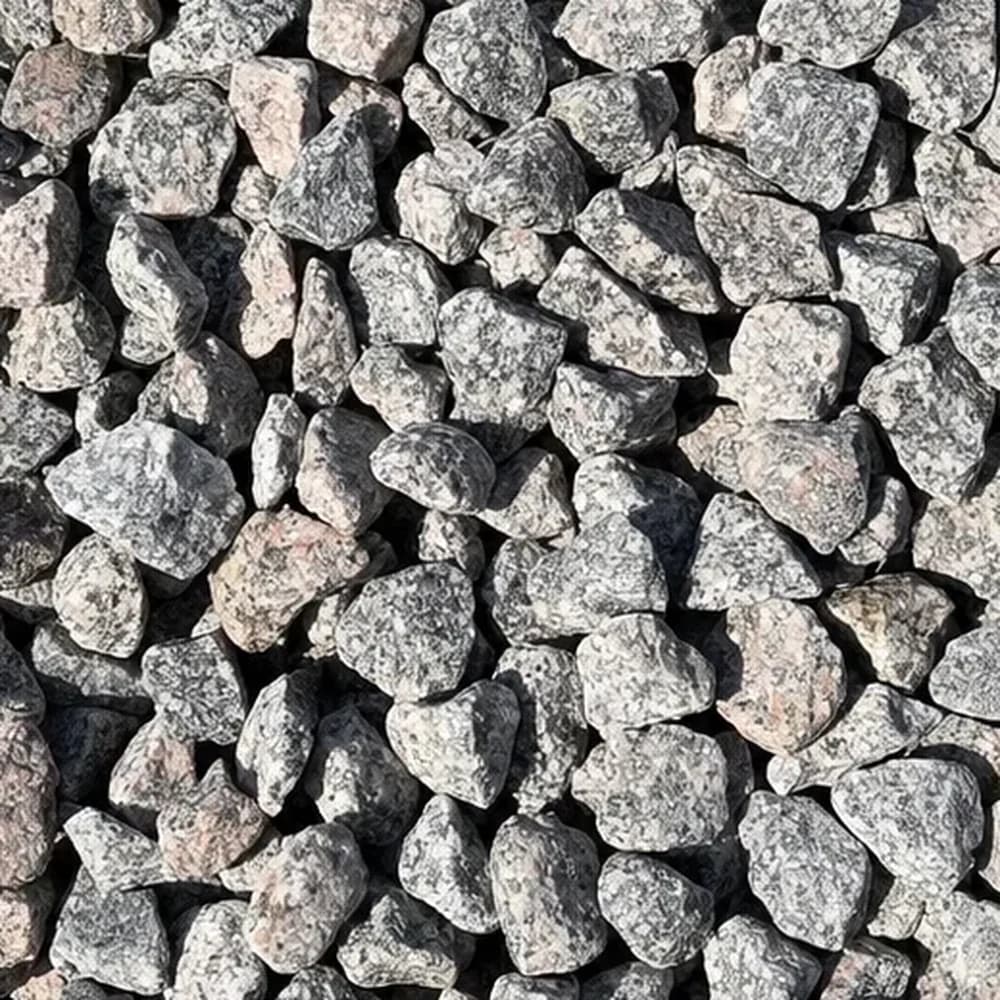
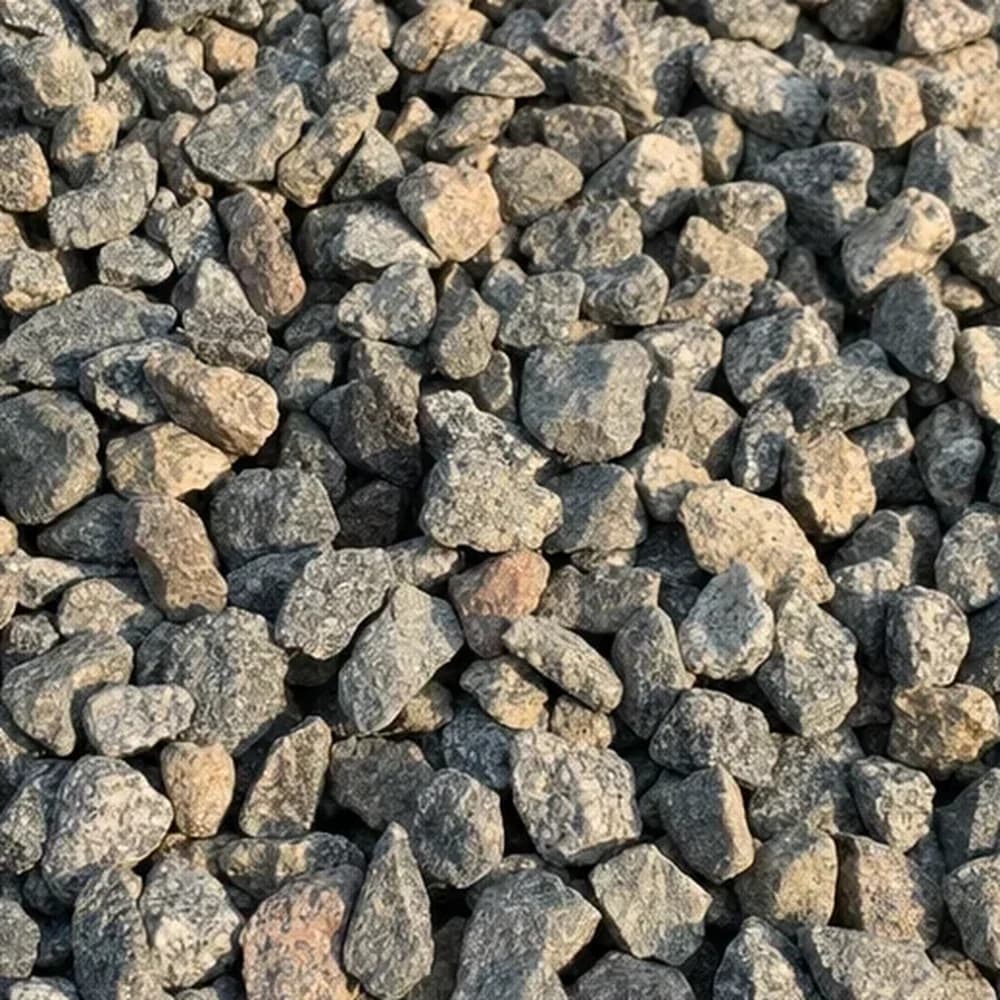
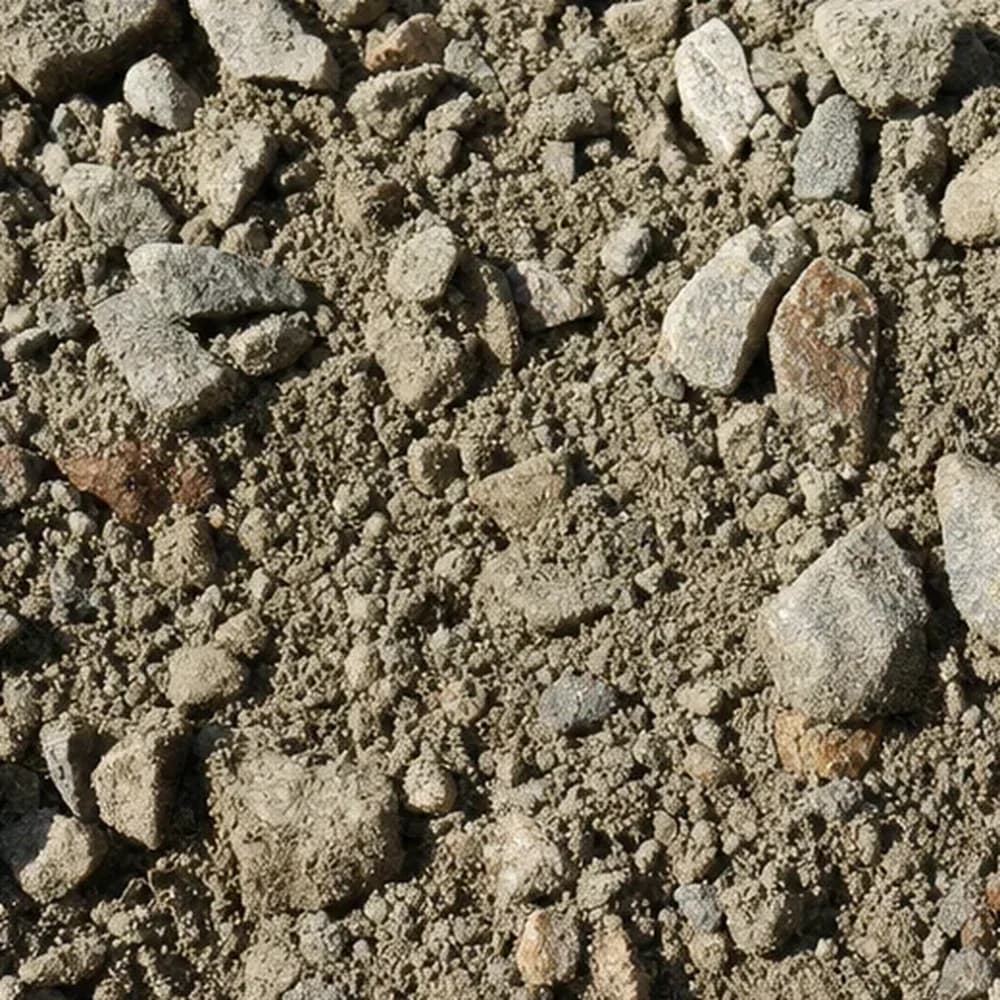
- Grading: Graded mix of crushed stone, gravel and binding fines
- Type: Crushed aggregate blend
From $387 for 1 ton, delivery included (larger loads cost significantly less per ton)
Free delivery included
Free delivery anywhere in Alaska
Pick a delivery date
Weekday delivery, earliest Nov 3
Get a Free Quote
Fill out the form and our sales team will get back to you within the hour.
Everything You Need to Know About D-1 Base Course
Size and Grading
- Size
- 3/4 inch minus
- Grading
- Graded mix of crushed stone, gravel and binding fines
- Type
- Crushed aggregate blend
Skipping compaction is a common way to lose the benefit of D-1 Base Course on a cabin pad or access drive. The material contains crushed aggregate in a graded blend that packs tightly, giving road and heavy-use areas a stable layer beneath traffic. It is suited to road construction and demanding areas that must carry heavy trucks, construction equipment, or sustained traffic. That strength matters for remote-lot gravel roads and pads serving cabins or shops.
Across muskeg ground, place geotextile beneath the prepared area before building the aggregate layer, then compact the material so its particles lock together. That packed layer is useful where breakup season leaves unsurfaced routes soft and where cabin or shop pads need to carry equipment. Deep frost and repeated thawing make ground preparation especially important during wet conditions. This applies on remote lots and highway access routes.
Quickly Calculate How Much You Need
Material: D-1 Base Course
How to Measure
Measure the length and width of your project area in feet
Decide on depth in inches (2" for landscaping, 4" for driveways)
Enter the values above and we'll calculate the tonnage you need
Need help figuring out the right amount? We can help!
Call or text us at our contact form and we'll help you calculate the right quantity for your project.
Not sure how much you need? The Road Base Calculator has depth guides, coverage charts and worked examples for this material.
Common Uses
Road & Highway Construction
For road and highway work, road base works as the supporting course below asphalt or concrete. It spreads traffic weight through the subgrade to help prevent concentrated loading.
Heavy-Duty Driveways
Use road base beneath driveways exposed to heavy trucks, equipment trailers, or recurring commercial traffic. Its added support helps limit rutting and surface breakdown from demanding loads.
Construction Site Access Roads
Use road base to build site-entry routes that can remain in place or serve during construction. Its firm surface handles equipment traffic and helps maintain access when conditions turn wet.
Commercial Parking & Loading Areas
Use road base beneath commercial parking areas, loading docks, and industrial yards that receive daily traffic from heavy vehicles and equipment.
Why Choose D-1 Base Course
Maximum Load Capacity
Designed for demanding applications, road base can carry loads from fully loaded dump trucks to industrial equipment. Compaction helps spread that weight through the base and reduce damage from concentrated loads.
Base Course Specifications
Road base is used as base course aggregate for projects with Department of Transportation or engineering requirements. Review the applicable project specifications before selecting material.
All-Weather Performance
Installed and compacted correctly, road base retains its structure through wet, dry, and freeze-thaw conditions. Tight compaction reduces water entry that may soften weaker materials, particularly through deep frost cycles.
Economical for Large Projects
Road base can provide commercial-grade support for less than a paved surface. On larger access roads, parking areas, and work yards, it offers a cost-conscious base with the needed strength.