Soil calculator for Alaska
Figure the soil volume for beds, raised planters, and yard work, then match the material to the task.
Enter your project dimensions
An empty 4 x 8 raised bed filled to 12 inches uses 32 cubic feet of soil. That comes to 1.2 cubic yards, often more material than a first-time bed builder expects from a few bags. Use this calculator to size any bed, planter, or yard project across three soil types. The selected blend changes the weight: garden soil runs about 2,000 lb per cubic yard, screened topsoil is 2,200, and fill dirt is 2,400. Select the soil you plan to order so the ton estimate matches.
Three steps for bed math
- Get the length and width of each bed or planter in feet. Multiple-areas mode adds all bed totals together.
- Choose depth by purpose: use 4-6 inches for improving existing beds, 6 inches for new in-ground beds, and 12 inches to fill an empty raised planter.
- Divide cubic feet by 27 to get cubic yards. Multiply yards by 1.0 to 1.2 for tons based on soil type.
Tons = yards × 1.0 (garden soil) · 1.1 (topsoil) · 1.2 (fill dirt)
Coverage and soil weight
| Soil type | Weight per cubic yard | Tons per yard |
|---|---|---|
| Garden soil (blended with compost) | ≈ 2,000 lb | 1.00 |
| Topsoil (screened) | ≈ 2,200 lb | 1.10 |
| Fill dirt | ≈ 2,400 lb | 1.20 |
| Depth | 1 cubic yard covers | 3 yards cover |
|---|---|---|
| 2 inches | 162 sq ft | 486 sq ft |
| 4 inches | 81 sq ft | 243 sq ft |
| 6 inches | 54 sq ft | 162 sq ft |
| 12 inches, raised bed | 27 sq ft | 81 sq ft |
Choose soil for the job
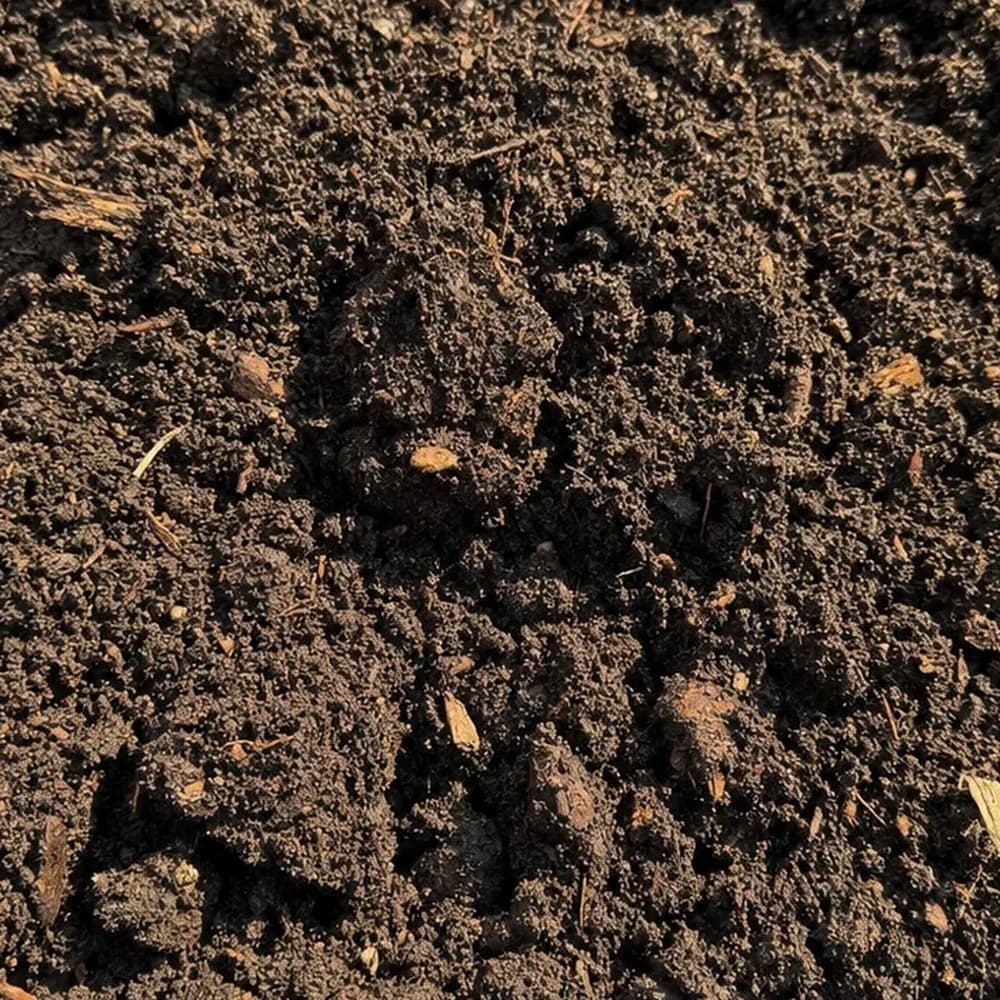
- Plant vegetables, flowers, and containers with garden soil blended with compost and ready for planting.
- Choose screened topsoil for lawns and finish grading. The Topsoil Calculator provides lawn-depth guidance and examples.
- Use fill dirt as the base for hole filling and grade changes, then add growing soil only at the surface layer.
- For worn native ground, mix 2-3 inches of garden soil into the upper 6 inches rather than replacing the full bed. It uses less material and helps roots transition into the existing ground.
Fill deep raised beds for less
Beds above 18 inches do not require garden blend at every depth. Put fill dirt, or coarse organic matter that composts in place, in the lower third, then use 8-12 inches of garden soil where roots grow. Run this calculator twice to size the two layers. Measure the 12 inches instead of estimating the depth.
Example: three 4 x 8 beds
For Ninety-six square feet of bed filled 12 inches deep, you need 96 cubic feet, or 3.6 cubic yards and about 3.6 tons of garden soil. Order 4 yards. Blended soil can settle roughly 10% in the first weeks as its compost portion compacts, leaving material for topping off the beds afterward.
Improve clay or sand in place
Dense clay holds water, while sand lets it pass through too quickly and leaves plants dry between watering. Improve either one by working 2-3 inches of compost-blended garden soil into the upper 6 inches for a couple of seasons. That uses a third of the material and labor required for full replacement, while roots and worms continue mixing it farther down. Replace soil to full depth only when debris from construction or contamination makes the native ground unsuitable.
Choosing bulk instead of bags
A cubic yard is about 36 bags at 40 lb each. One raised bed can already mean 43 bags, and loading 43 bags twice is a lot of work. Bulk soil costs less per cubic foot, comes in one tip, and includes free delivery. Bags make more sense for topping up one planter. Have the pile placed on a tarp because soil can stain concrete, and the tarp makes cleanup easier to drag and fold.
Soil math for beds and bags
What soil volume fits a 4x8 raised bed?
How are garden soil, topsoil, and fill dirt different?
How many soil bags are in a cubic yard?
How many yards of dirt are needed for beds?
Will bulk soil settle once it is placed?
Is delivered garden soil ready to plant in?
More calculators
Measurements ready? Order soil online.
Order garden soil, topsoil, or fill dirt by the yard.